

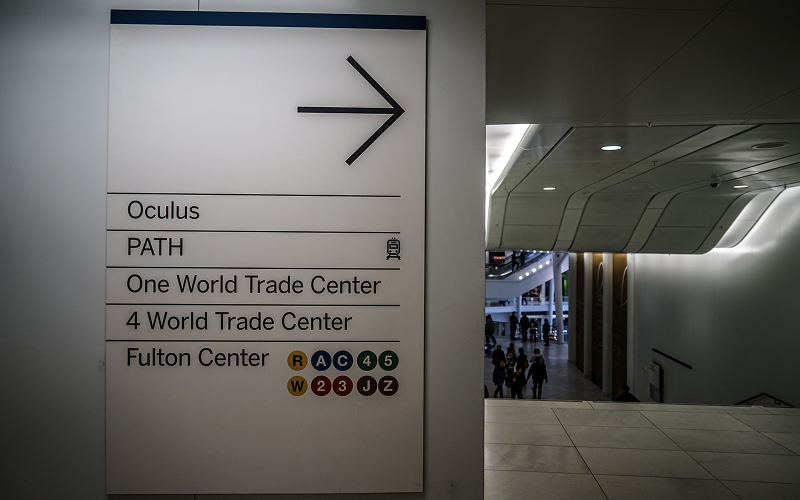
Wayfinding system design helps commercial spaces feel easier to navigate by combining signage, spatial cues, visual hierarchy, and clear placement. In this article, we will explore how businesses can improve user flow in commercial spaces through directional signs, directories, identification signage, safety notices, digital displays, and material choices that are suited to Singapore’s built environments.
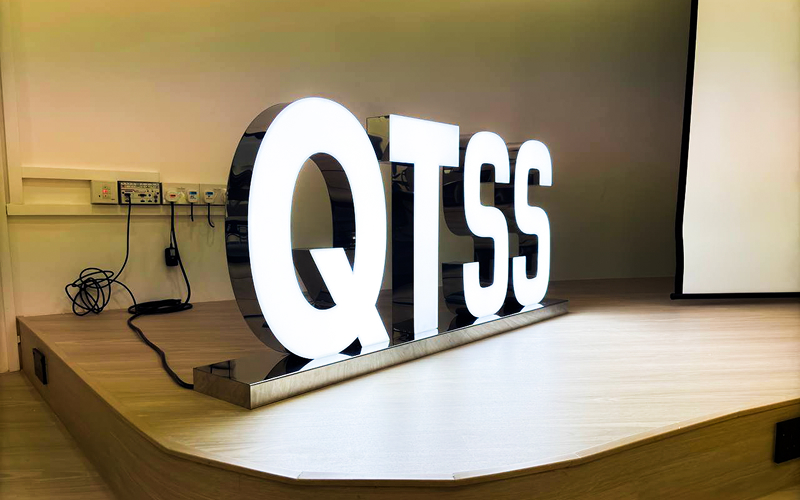
Understanding the signage fabrication process can help businesses review proposals, compare material choices, plan realistic timelines, and spot potential installation constraints earlier. This guide explains how custom signs move from site assessment and design development to material selection, workshop production, quality checks, and installation. It also covers vital signage project timeline factors such as approvals, material availability, site readiness, and access.
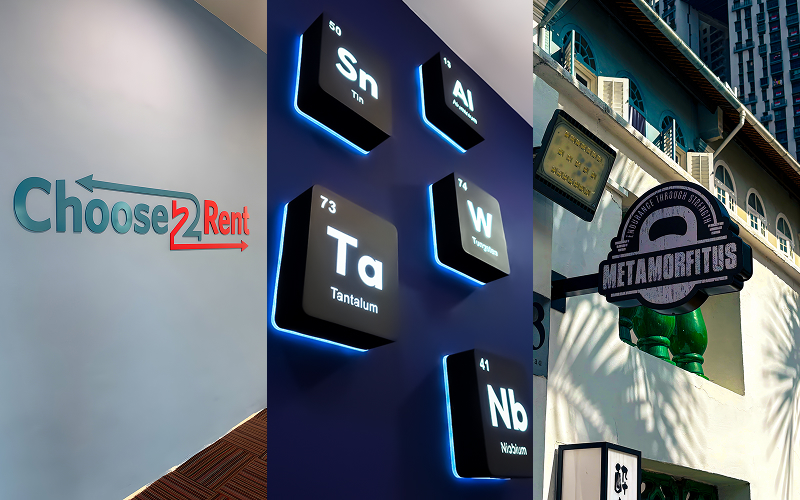
Are your signs achieving their intended objectives? This signage size guide explains how viewing distance, letter height, spacing, layout, and environmental conditions affect readability. It covers close-range and long-distance applications, common sizing mistakes, and practical considerations for offices, retail spaces, building signs, and larger-format applications, helping businesses choose dimensions that remain clear, proportionate, and easy to understand in real-world settings.
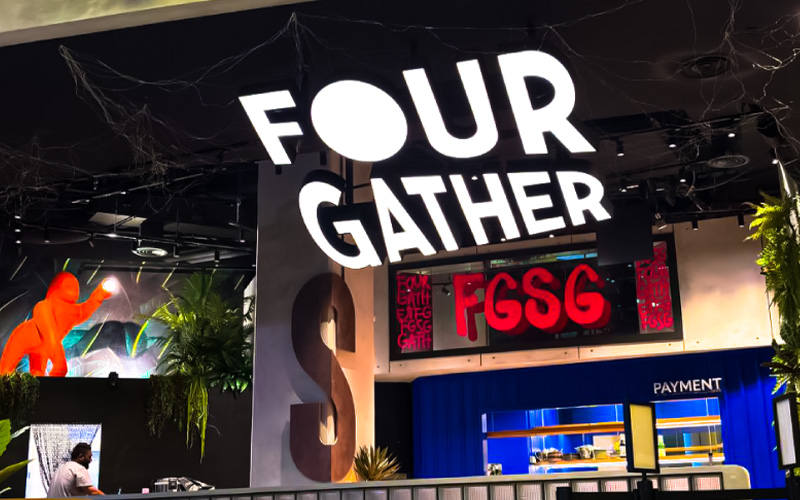
The types of indoor signage used in a commercial space each serve a distinct purpose, from identifying rooms and departments to guiding movement, explaining processes, and communicating safety information. This guide explains indoor signage types and functions, where each category is most useful, and how businesses can combine identification, directional, informational, instructional, and safety signs into a clear, coordinated system.
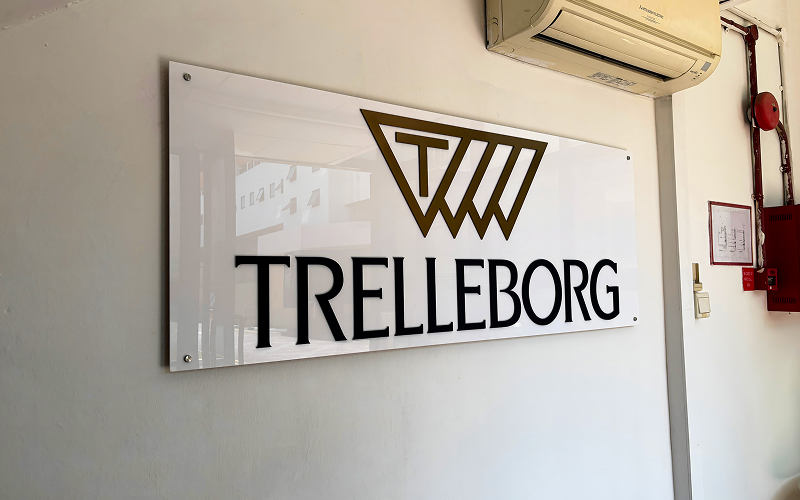
Understanding what acrylic signage is can help businesses decide where the material fits within offices, retail spaces, directories, reception areas, and branded interiors. This guide covers acrylic signage material properties, common formats, finishing options, mounting, lighting, and practical limitations. It also explains why acrylic is often selected for clean, precise presentation in Singapore and when another signage material may be more suitable for the environment.
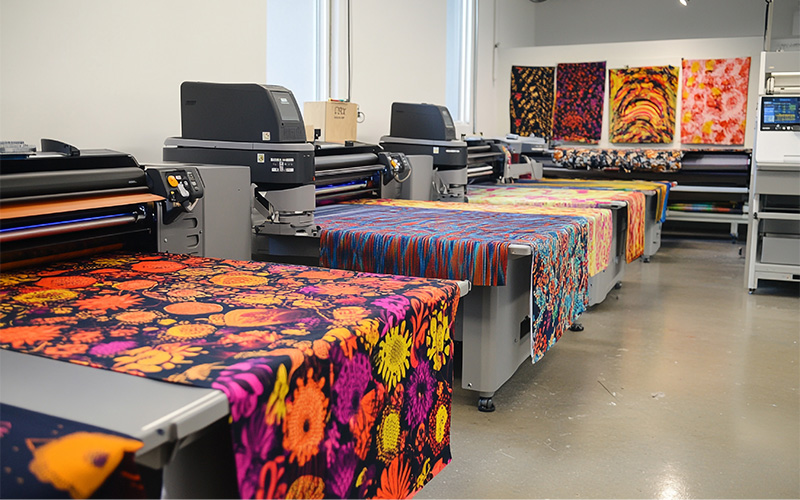
Large-format printing helps businesses create oversized graphics for events, retail displays, exhibitions, hoardings, and other commercial applications. This article explains what large-format printing is, how it supports signage, and where it works best. It also covers materials, colour accuracy, installation, visibility, and wide-format printing applications that help businesses maintain clear, consistent branding across temporary campaigns and permanent environments in Singapore.
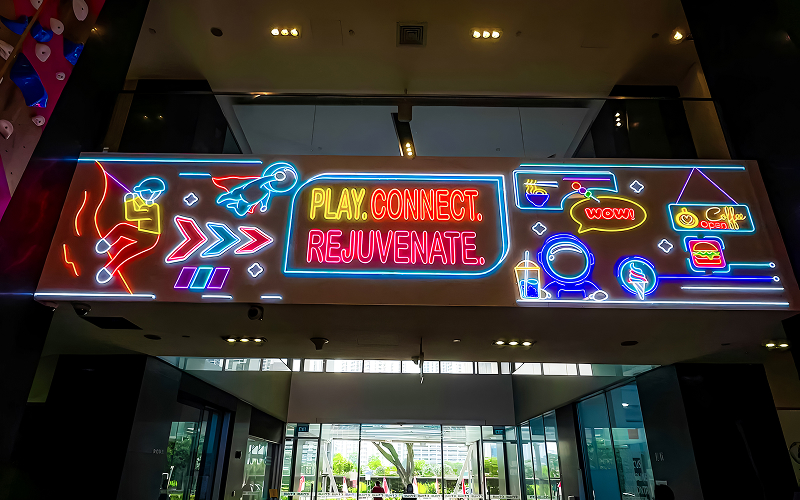
Brand storytelling through signage helps businesses express their identity, values, and personality across physical environments. This article examines how retail, F&B, office, and showroom spaces can use entrance signs, feature installations, wayfinding, materials, lighting, and visual hierarchy to create a connected brand experience. It also explains how consistent signage can strengthen recognition, guide customer movement, support engagement, and turn everyday commercial touchpoints into memorable parts of a wider spatial narrative for visitors and staff alike.
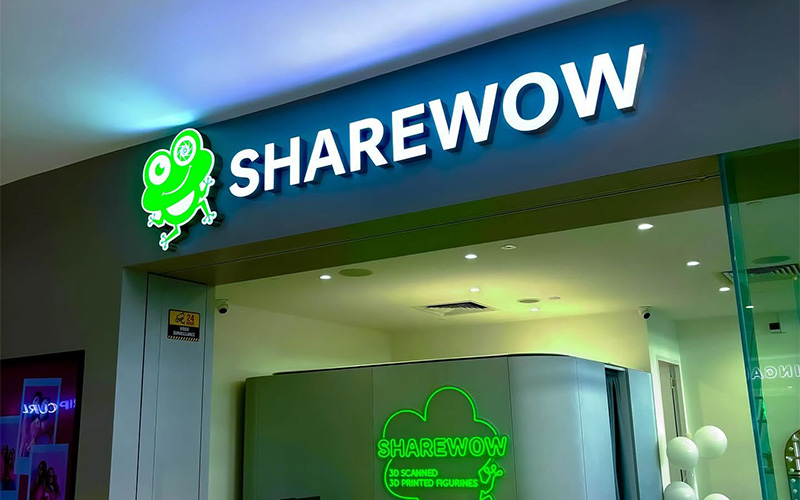
Creative signage ideas can help business spaces attract attention, communicate clearly, and reinforce brand identity. This article explores creative signage applications across reception areas, storefronts, offices, retail environments, and shared facilities. It also explains how materials, lighting, readability, placement, maintenance, and flexibility influence the final result, helping businesses create signage that looks distinctive while continuing to support navigation, information sharing, and everyday operations in Singapore’s busy commercial environments.