

Introduction
Business signage has to do more than attract attention. It may need to identify a reception point, direct visitors, explain a service, support a campaign, or reinforce the look and feel of a space. A visually striking sign that is difficult to read or poorly placed can create more confusion than value.
Creative signage ideas work best when design choices support a clear purpose. In offices, retail stores, restaurants, clinics, hotels, and other commercial spaces, signage should contribute to the environment while remaining practical for customers and staff.
This article explores ways to combine visual impact with everyday functionality through thoughtful use of formats, materials, lighting, and placement.
Key Takeaways
- Creative business signage should attract attention while communicating information clearly.
- Materials, lighting, scale, and placement need to suit the sign’s purpose and surrounding environment.
- Integrated signage can strengthen brand identity, navigation, and the overall experience of a business space.
Why Creativity and Functionality Must Work Together in Signage
The strongest creative signage ideas combine attention-grabbing design with a clear communication or operational purpose.
Visual Appeal That Captures Attention
Strong signage can help a business become easier to notice and remember. Illuminated logos, dimensional lettering, sculptural panels, and custom neon signs can create clear focal points at entrances, reception areas, feature walls, or storefronts.
Visual impact should still support recognition. Brand colours, typography, shapes, and finishes need to remain consistent enough for customers to connect the sign with the business.
Functional Clarity That Supports Communication
A sign should make its message easy to understand. Decorative fonts, low contrast, or excessive detail may look distinctive up close but perform poorly when viewed from a distance or while someone is moving.
Clear wording, readable type, suitable scale, and adequate contrast improve usability. The sign’s viewing distance and expected lighting conditions should guide the design rather than being treated as final adjustments.
Creating a Cohesive Brand Experience
Signage becomes part of the wider environment when it reflects the materials, colours, and visual language used throughout the space. This can create a more connected experience from the entrance to service areas, meeting rooms, displays, and payment points.
Brand experience signage may include feature signs, room identifiers, directional elements, wall graphics, and digital displays planned as one visual family.
Creative Applications Across Business Spaces
Feature Signage as a Visual Centrepiece
Feature signs can anchor the visual direction of a space. A reception logo with layered acrylic, an illuminated brand statement, or a fabricated wall installation can make an entrance more distinctive while confirming that visitors have arrived at the right place.
These creative signage applications are especially useful in customer-facing areas where the sign needs to support both recognition and atmosphere.
Wayfinding with Integrated Design Elements
Directional signs do not need to look purely functional. Colour-coded zones, custom icons, dimensional arrows, and material contrasts can make navigation more engaging while keeping information clear.
The design should remain consistent at every decision point. Repeating the same colours, symbols, and terminology helps visitors understand the system as they move through the building.
Environmental Signage Built into the Interior
Functional interior signage can be integrated into walls, glass panels, counters, columns, and architectural surfaces. Frosted graphics can identify meeting rooms, cut lettering can mark departments, and wall-mounted panels can combine directions with brand messaging.
This approach helps reduce visual clutter because signs feel considered as part of the interior rather than added after the space is completed.
Material and Lighting Choices That Support Form and Function
Layered Materials for Depth and Durability
Combining materials can add depth without making a sign difficult to use. Acrylic, metal signage, printed graphics, vinyl, and fabricated lettering can be layered to create contrast and texture.
Material selection should also reflect the environment. High-traffic areas may require surfaces that resist scratches and are easier to maintain, while reception areas may prioritise refined finishes and dimensional detail.
Lighting That Improves Visibility and Atmosphere
Frontlit, backlit, edge-lit, and neon lighting create different visual effects. Backlit letters can produce a softer halo, while frontlit signs provide direct illumination. Fabric light boxes can support large-format graphics that need even lighting and can be replaced for future campaigns.
Lighting should improve legibility rather than compete with the message. Brightness, glare, viewing angle, and surrounding light all affect how the finished sign performs.
Performance in Daily Operations
Creative signage ideas should account for maintenance, updates, cleaning, and long-term use. Replaceable panels may suit changing tenant directories, menus, or promotions, while permanent signs should use durable components and accessible installation points.
Businesses should also consider power access, cable management, installation limitations, and how easily damaged parts can be repaired or replaced.
Adapting Creative Signage to Singapore’s Business Environment
Creative signage ideas for Singapore businesses should respond to dense commercial settings, changing interiors, and varied operational needs.
Standing Out in Dense Commercial Settings
Singapore’s malls, business districts, and mixed-use developments often contain many competing signs within a limited area. Bold colour or illumination can help a business stand out, but the message still needs to be understood quickly.
Scale, contrast, and placement are particularly important where customers are walking past or viewing the sign across a corridor.
Aligning with Contemporary Interiors
Many modern commercial interiors use clean lines, integrated lighting, and restrained material palettes. Signage can complement these spaces through slim profiles, concealed fixings, layered finishes, and carefully controlled illumination.
Creative does not have to mean visually crowded. A simple sign can still feel distinctive when its proportions, material details, and placement are carefully considered.
Supporting Flexible and Multi-Use Spaces
Workplaces, event spaces, retail units, and shared facilities may change throughout the day or across different campaigns. Modular signs, magnetic panels, digital screens, and replaceable graphics allow information to change without rebuilding the entire system.
This flexibility helps businesses maintain a consistent visual identity while adapting to new tenants, events, promotions, or operational needs.
Where Creative Expression Meets Practicality
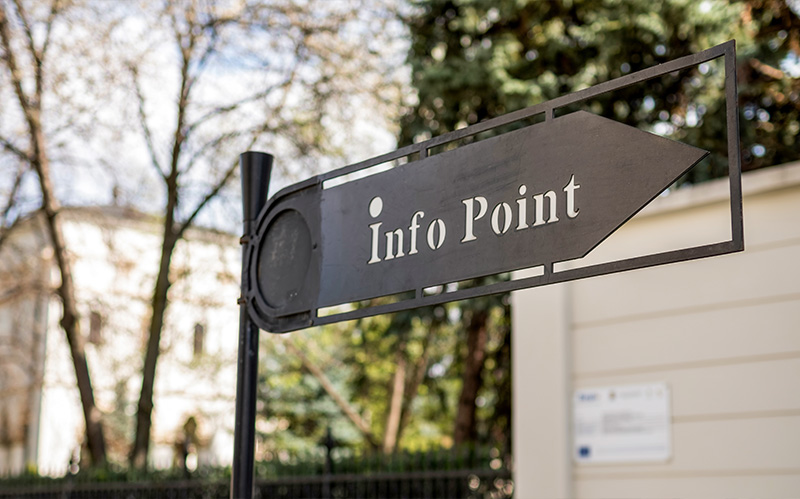
Creative signage ideas can make business spaces more memorable, but their value depends on how well they support communication, navigation, and daily use. The strongest solutions bring concept, materials, lighting, readability, and placement together from the beginning.
At Sui Generis Signage, signage can be developed as part of a wider custom signage solution rather than as an isolated decorative element. Our team supports design development, material selection, local fabrication, lighting integration, installation planning, and practical considerations, including visibility, maintenance, and future updates. This allows businesses to create signs that reflect their brand while continuing to serve a clear purpose within the space.
For support in developing creative signage that balances visual impact with practical performance, please contact us.