

Introduction
A finished sign may look simple, but turning an idea into an installed sign involves several coordinated decisions. The signage fabrication process starts before materials are cut, with site conditions, mounting surfaces, lighting, and brand requirements shaping what you can build.
For businesses in Singapore, understanding how these stages connect makes it easier to review proposals and avoid late changes that can affect cost or timing. This article explains how custom signage moves from site assessment and design through fabrication, quality checks, and installation.
Key Takeaways
• Site assessment should happen before fabrication, so sign size, placement, mounting, and access are based on actual site conditions.
• Material choice, technical drawings, production methods, and quality checks all affect how closely the finished sign matches the approved design.
• Project timelines depend on more than workshop production, with approvals, material availability, site readiness, and installation access all playing a role.
How Signage Projects Begin with Site Assessment and Planning
A practical signage fabrication process starts by understanding the space where the sign will be used. Measurements matter, but so do approach angles, sightlines, surrounding lighting, available wall or façade area, and how people move through the location.
The mounting surface should also be checked early. Concrete, glass, cladding, partitions, and other surfaces may require different fixing approaches, backing structures, or access arrangements. If the sign maker knows these constraints before design is finalised, the artwork can be developed around realistic installation conditions instead of being adapted at the last minute.
Planning should also confirm the sign’s purpose. Branding, wayfinding, and promotional signs have different readability and placement needs, so scale and layout should follow function.
Design Development and Technical Preparation
Once the site requirements are clear, the team can translate visual concepts into production-ready drawings. Logos, typography, colours, dimensions, and lighting details need to work at the intended scale and remain suitable for the chosen material and fabrication method.
Technical preparation can include dimensions, material thickness, fixing details, fabrication notes, and lighting requirements. This is the point to identify conflicts before production, such as lettering that is too fine for the chosen material or a mounting method that does not suit the wall.
Clear technical drawings give both the client and fabricator a reference for what is being approved before production begins.
Choosing Materials for the Intended Environment
The materials used in signage production should be selected according to location, appearance, maintenance needs, and exposure. Acrylic can suit many indoor branding and directory applications where a clean finish, lightweight construction, and precise detailing are priorities. Metal options may be more suitable where fabricated depth, structural rigidity, or longer-term outdoor exposure matters.
For example, aluminium signage can be useful when you need a lightweight metal substrate, fabricated lettering, or a more robust exterior finish. Illuminated signs may combine acrylic faces, metal returns, LEDs, diffusers, and internal supports depending on the design.
Outdoor applications in Singapore also need consideration for heat, humidity, rain exposure, and cleaning, so material choice should account for ageing and maintenance.
From Cutting and Forming to Assembly
During fabrication, approved drawings are translated into individual physical components. Depending on the sign, this can involve cutting panels or lettering, bending or forming metal, routing acrylic, applying graphics, joining components, and preparing mounting points.
Surface finishing follows the approved appearance. Edges may need polishing, metal may require coating, and printed graphics should be checked for scale and alignment. Projects that also involve wall graphics or large display panels may need coordination with a large format printing company so printed and fabricated elements align.
For illuminated signs, LEDs, wiring, power supplies, and diffusion components are incorporated before final assembly. The signage fabrication process should allow these elements to be checked before the sign reaches the site, where corrections can be more disruptive.
Quality Checks Before Installation
Before installation, compare the finished sign against the approved drawings. Key checks can include dimensions, spelling, colour, alignment, surface finish, assembly quality, and the position of mounting points.
Test illuminated signage before delivery so you can address obvious lighting or component issues in the workshop rather than on site.
Where outdoor advertising signs or signboards are involved, approval requirements may also affect the project. In Singapore, proposed outdoor advertising signs should meet relevant requirements on matters such as height, size, location, and permits before a licence application is submitted.
Installation in Commercial Environments
Installation brings the planning, fabrication, and site conditions together. Signage installation methods vary by sign type and mounting surface and may include direct fixing, stand-off or spacer mounting, concealed supports, frames, or other project-specific systems.
Before final fixing, the installer should confirm positioning against actual sightlines and surrounding features. A correctly fabricated sign can still perform poorly if it is mounted too high or obscured.
In active commercial spaces, installation may also need coordination with building management, other contractors, operating hours, or access-equipment availability.
What Can Affect the Signage Project Timeline?
Signage project timeline factors often span several stages, not just fabrication. A complex sign with custom lighting, unusual finishes, or multiple components generally needs more design coordination and production time than a simple flat panel.
Material availability can affect the schedule, particularly for specific finishes or components. Client approvals also matter, since changes to dimensions, artwork, colours, or materials can require revised drawings or production files.
Site readiness is equally important. If walls are unfinished, final measurements cannot be confirmed, electrical points are not ready, or installers cannot access the intended location, fabrication may be complete while installation still has to wait. Reviewing these dependencies early makes the signage fabrication process easier to schedule realistically.
Coordinating the Process from Design to Installation
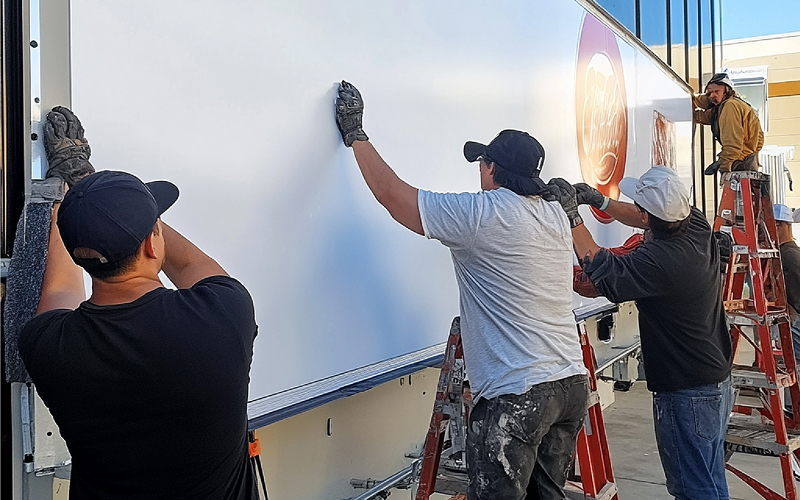
A reliable signage fabrication process depends on connected decisions, from measuring the site and preparing technical drawings to checking finished components and planning installation access. This helps reduce avoidable redesigns, sizing errors, mounting conflicts, and last-minute site changes.
At Sui Generis Neon/Signage, we coordinate custom signage projects from site checks and technical drawings through material and lighting decisions, workshop fabrication checks, and installation planning. Keeping these stages connected helps identify issues such as unsuitable mounting details, dimensions that do not fit the actual space, or lighting requirements that need to be resolved before installation. Local production also lets you coordinate workshop and site requirements more closely when adjustments are needed.
If you are planning new signage for a retail, office, commercial, or event environment, please contact us to discuss the site requirements and fabrication approach before production begins.