

Key Takeaways
- The right choice should balance appearance, visibility, lifespan, maintenance needs, and total project cost.
- Indoor and outdoor placements require different levels of resistance to heat, humidity, rain, dust, and daily wear.
- Building rules, landlord approvals, lighting safety, and installation limits should be checked before production starts.
- Businesses should avoid choosing based on appearance alone, as practical performance affects how their brand is experienced over time.
Introduction
Choosing the right signage material is a practical branding decision that affects how a business is seen, remembered, and trusted. In Singapore’s competitive commercial landscape, signage has to do more than look attractive. It needs to suit the site, remain visible, withstand local conditions, and support the brand’s image across daily customer interactions. Understanding the different material types used in signage helps businesses make better decisions before fabrication begins, especially when balancing appearance, durability, maintenance, and cost.
For offices, retail stores, F&B outlets, clinics, event spaces, and commercial buildings, the wrong material can lead to faster wear, poor visibility, or avoidable replacement costs. A sign may look impressive in a mock-up, but it still needs to perform in real conditions, such as humidity, rain, heat, dust, and daily customer exposure. This is why the selection of signage materials should consider both design intent and practical performance from the start.
Understanding Different Types of Signage Materials
Different signs serve different business purposes. Some need a polished indoor finish, while others need stronger structure, visibility, or weather resistance. Comparing the different material types used for signage allows businesses to match each option to the right environment, rather than choosing based on appearance alone.
For Singapore businesses, this comparison should also consider whether the sign is for a main storefront, reception wall, tenant directory, pop-up display, event booth, safety notice, or illuminated brand feature, as each use case places different demands on the material.
Acrylic for Clean and Modern Applications
Acrylic is widely used for its sleek, polished, and versatile appearance. It can be clear, coloured, frosted, layered, or cut into three-dimensional lettering, making it suitable for reception logos, retail displays, office directories, and selected sheltered outdoor signs.
For businesses that want a neat and contemporary finish, acrylic signage offers strong visual clarity without making the installation feel heavy or overly complex. It is especially useful for brands that want a premium look in customer-facing spaces, such as clinic counters, showroom walls, office lobbies, or retail feature displays.
Metal Materials for Strength and Longevity
Metal materials such as aluminium and stainless steel are often chosen for strength, structure, and a more premium visual presence. They work well for shopfront signs, building directories, office nameplates, industrial signage, and brand displays that are meant to stay in place for years. Well-finished metal signage can communicate stability and professionalism, especially for businesses that want their signage to feel established, durable, and refined.
For example, aluminium can be suitable for outdoor-facing applications because it is lightweight yet sturdy, while stainless steel may be preferred for a sharper corporate or hospitality finish.
Illuminated Signage Materials for Visibility
Illuminated signage uses materials that support even lighting, clear readability, and stable installation. Acrylic panels, LED modules, aluminium casings, and translucent faces may be combined to create signs that remain visible in dim interiors, evening conditions, or busy retail areas. For restaurants, clinics, shops, and commercial units, lightbox signage can help improve visibility while keeping the brand display clean and consistent.
Fabricated and Composite Materials for Customisation
Fabricated and composite signs combine different materials for signage design to create layered effects, shaped lettering, backlit details, textured finishes, or custom-built forms. This is useful when a business wants a more distinctive brand feature instead of a standard flat panel. Composite panels, PVC boards, foam boards, vinyl graphics, and printed panels may also be considered depending on whether the sign needs to be lightweight, temporary, cost-efficient, or easy to update.
For example, foam board or printed panels may suit short-term events and campaign displays, while composite panels can support a cleaner, more structured finish for commercial environments.
However, customisation should still support readability, safe installation, and practical upkeep, so the final sign remains functional as well as visually memorable. This can be useful for businesses operating in malls, food streets, mixed-use buildings, or corridors where competing signs and changing lighting conditions affect visibility.
How Material Choice Affects Signage Cost
The cost of signage is shaped by more than its size. Materials can affect fabrication time, finishing method, installation complexity, lifespan, and future upkeep. When businesses compare different material types used for signage, they should look at both the initial quotation and the overall value of the finished sign. A simple flat panel, for instance, will usually involve a different cost structure from three-dimensional lettering, layered acrylic, built-in lighting, or a fabricated feature wall.
Upfront Versus Long-Term Cost Considerations
Some materials may seem more affordable at first, but become less cost-efficient if they fade, warp, stain, or require frequent replacement. Other materials may require a higher upfront investment but offer better durability and a more consistent finish over time.
This is especially important for permanent storefront, office, or building signage that represents the business every day. A temporary event sign may justify a lighter and more economical material, while a permanent shopfront sign should usually prioritise a stronger structure, cleaner finish, and easier servicing.
Maintenance Considerations
Different materials require different levels of care. Glossy surfaces may show fingerprints, outdoor panels may collect dust, and illuminated signs may need occasional servicing. In Singapore, businesses should also consider air-conditioning condensation, rain exposure, food grease, traffic dust, and cleaning access before confirming the final material.
For example, an F&B outlet may need materials and finishes that are easier to wipe down, while an outdoor-facing unit may need surfaces that can better tolerate rain marks, sun exposure, and roadside dust.
Replacement Frequency and Lifespan
Material durability affects how often signage needs to be refreshed or replaced. Temporary event signage may prioritise speed and flexibility, while permanent signs should be built for repeated exposure and daily use. Stronger material choices can reduce operational disruption because businesses do not have to arrange removal, refabrication, and reinstallation as often.
This matters for businesses with scheduled openings, mall fit-out deadlines, campaign launches, or renovation handovers, where repeated replacement can affect both cost and operations.
Complexity of Fabrication
Intricate shapes, layered finishes, oversized letters, curved forms, and built-in lighting can increase production complexity. These details can be worthwhile when they support the brand, but they may also affect cost and lead time. A practical design approach helps ensure the material can achieve the intended look without compromising clarity or installation safety.
For custom signage projects, working with a local fabrication team can also help businesses assess whether the chosen material, finish, and structure can be produced, installed, and maintained reliably within the project timeline.
This is where Sui Generis Signage’s Singapore-based fabrication experience becomes useful for business clients that need practical guidance, quicker coordination, and signage recommendations that fit both the design intent and on-site requirements.
Practical Considerations for Signage Materials in Singapore
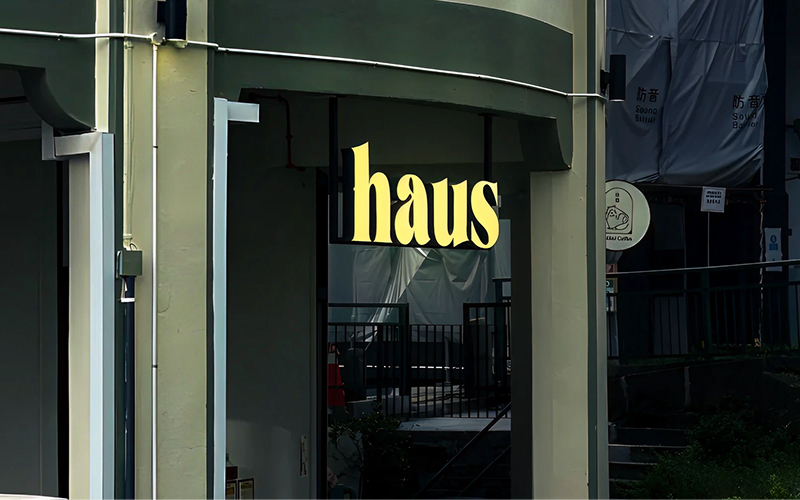
In Singapore, material choices for signage are often shaped by property guidelines, site conditions, and approval processes. A material that works well in one location may not be suitable for another, especially when signs are installed in malls, commercial buildings, industrial units, or outdoor-facing areas.
Building and Mall Guidelines
Many malls, offices, and commercial properties provide tenant signage guidelines. These may cover size, lighting brightness, mounting method, colour treatment, approved materials, and placement. Reviewing these requirements early can help businesses avoid redesign work, delayed approvals, or last-minute fabrication changes.
Outdoor Signage Restrictions
Outdoor signage may need to account for structure, public safety, weather exposure, and visibility from surrounding areas. Materials should be suitable for heat, humidity, rain, and extended outdoor exposure. Choosing materials with signage durability in Singapore’s conditions in mind helps businesses maintain a professional appearance despite the local climate.
Safety Considerations for Illuminated Signage
Illuminated signage must be planned carefully because it involves electrical components, heat management, moisture protection, and secure mounting. This is especially important for signs placed near public walkways, shopfronts, or high-use commercial spaces. Proper material and component choices also make future maintenance safer and more efficient.
Landlord and Management Approvals
Before installation, businesses may need to submit drawings, dimensions, material details, lighting specifications, and installation plans to landlords or building management. These approvals can affect renovation handovers, opening dates, and campaign timelines. Confirming requirements early helps keep the project moving smoothly.
How to Choose the Right Signage Material for Your Business
The right material should support the brand, location, budget, and operational needs together. Instead of choosing different material types used for signage based only on a preferred look, businesses should assess where the sign will be placed, how it will be viewed, and what upkeep or approvals it may require. It also helps to decide whether the sign is meant to attract foot traffic, identify a unit, guide visitors, support a campaign, or reinforce a more permanent brand presence.
Placement Environment (Indoor or Outdoor)
Indoor signs can focus more on finish, detail, and close-up presentation. Outdoor signs need stronger resistance to humidity, rain, heat, ultraviolet exposure, and physical wear. Even sheltered outdoor areas may still face moisture and dust, so businesses should not assume that every indoor material can be used outside safely. A reception wall logo, for example, can prioritise surface finish and close-up detailing, while an outdoor shopfront sign needs stronger weather suitability and secure installation.
Visibility Requirements (Day, Night, and Viewing Distance)
Visibility depends on lighting, contrast, viewing angle, and distance. A reception sign may need refined detailing for close viewing, while a corridor-facing or road-facing sign may need bolder lettering and stronger contrast. If the sign must remain visible at night or in dim conditions, illuminated materials may be more suitable. Businesses should also consider whether customers will see the sign while walking past, driving by, entering a mall unit, or navigating a shared commercial space.
Brand Positioning and Design Intent
Materials influence how customers perceive a business. Acrylic can feel sleek and modern, metal can suggest permanence and premium quality, while illuminated signage can create energy and stronger visibility. The chosen material should reflect the brand’s personality, whether the business wants to appear minimal, bold, creative, corporate, or high-end. A wellness clinic, for instance, may prefer a calmer and cleaner finish, while a lifestyle retailer or F&B brand may need a more expressive feature that stands out in a busy environment.
Durability Needs (Temporary Versus Long-Term Use)
Short-term signage for events, pop-ups, or seasonal campaigns may prioritise speed, flexibility, and easy removal. Permanent signage for storefronts, offices, and commercial units should prioritise structural stability and lasting finish quality. Matching durability to usage prevents overspending on temporary needs or underinvesting in signage that must support the business for years.
Maintenance and Upkeep Considerations
Maintenance should be considered before installation. Businesses should ask how often the surface needs cleaning, whether parts can be replaced, and whether servicing can be done without major disruption. A sign that is difficult to maintain may lose its impact faster, even if the original design is strong.
Budget Alignment and Cost Expectations
Budget planning should include design, fabrication, installation, maintenance, and possible future updates. The cheapest option is not always the most cost-effective, especially for signage that represents the business daily. A balanced approach helps companies choose materials that meet both financial expectations and brand visibility goals. Where possible, businesses should discuss the expected lifespan, installation method, servicing access, and material alternatives before confirming the final quotation.
Common Mistakes When Choosing Signage Materials
Even well-designed signs can underperform when material decisions are rushed. Avoiding common mistakes helps businesses get better value from their signage investment.
Prioritising Aesthetics Over Durability
A material may look attractive in a sample or mock-up but perform poorly in the actual environment. Businesses should check whether they can handle the site conditions, cleaning requirements, and expected lifespan before confirming the design.
Using Indoor Materials for Outdoor Applications
Indoor materials may fade, warp, stain, or deteriorate when exposed to outdoor conditions. In Singapore’s humid climate, this mistake can shorten the lifespan of a sign and lead to avoidable replacement costs.
Ignoring Lighting Conditions
A sign that looks clear under showroom lighting may appear dull, reflective, or hard to read on site. Businesses should consider daylight, shadows, night-time visibility, and nearby light sources before choosing finishes and colours.
Overcomplicating Material Combinations
Mixing too many materials, layers, or effects can make a sign harder to read and more difficult to fabricate. Good signage should feel distinctive without sacrificing clarity, especially when customers only have a few seconds to notice it.
Overlooking Maintenance Requirements
Some materials need more frequent cleaning, polishing, or servicing than others. When maintenance is ignored, signage can quickly look tired even if the original design was strong. Planning upkeep from the start helps preserve visual quality.
Conclusion: Making Informed Signage Material Choices for Lasting Impact
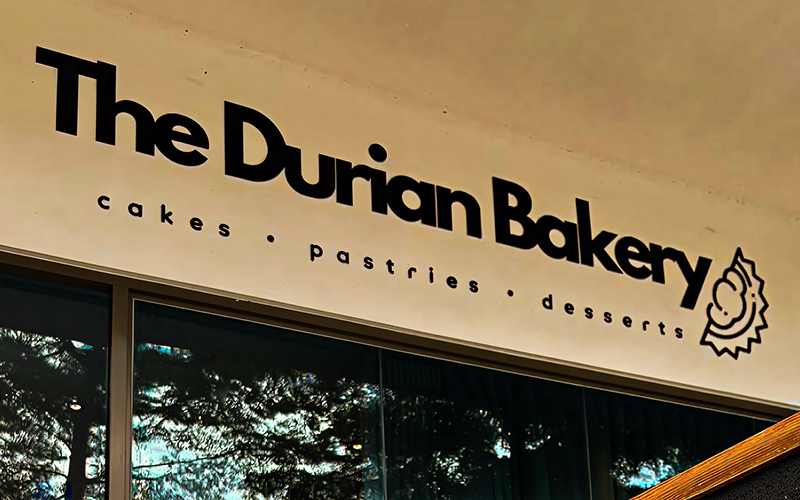
Selecting the right signage material involves balancing design intent, environmental conditions, approval requirements, maintenance needs, and lasting performance. By understanding how materials behave across different sites, businesses can create signage that remains visually consistent, operationally practical, and aligned with their brand.
At Sui Generis Signage, material selection is approached with both creativity and practicality in mind. With local fabrication experience, custom signage capabilities, and a strong understanding of business signage needs in Singapore, each signage solution can be planned to support visibility, durability, and a stronger brand presence. From acrylic, metal, illuminated, fabricated, and composite options to more campaign-focused display materials, our team can help businesses narrow down choices based on location, usage, timeline, and brand direction.
Reach out to our team to discuss your signage requirements, compare suitable material options, and find the right finish and fabrication approach for your brand.