

Introduction
Lighting can completely change how a sign feels. The same logo can look bold, calm, premium, playful, or hard to read depending on how it is illuminated. For retail and F&B businesses in Singapore, signage also has to compete with mall lighting, neighbouring shopfronts, glass reflections, sheltered walkways, and evening foot traffic.
Choosing between different signage lighting types is not only about brightness. It is about visibility, mood, brand fit, power use, maintenance, placement, and how customers experience the space before they step inside. In this article, we will walk through the main lighting options and how to choose an illumination style that supports both your brand and day-to-day business needs.
Key Takeaways
• The right signage lighting types can improve visibility, shape atmosphere, and help customers recognise your storefront more quickly.
• Retail and F&B spaces should balance brightness with comfort, especially in malls, narrow corridors, and dining environments.
• Lighting choice should be planned with materials, viewing distance, operating hours, and maintenance in mind.
Understanding the Role of Lighting in Signage Performance
Lighting gives signage its presence. A flat sign may be readable in the day but disappear at night. A bright sign may attract attention, but if it glares or washes out the lettering, it can do more harm than good. Good lighting sits in that sweet spot where the sign is clear, comfortable to look at, and aligned with the business setting.
For F&B brands, lighting can make a storefront feel warm, lively, intimate, or premium. For retail spaces, it can highlight a logo and make the entrance easier to spot. This adds practicality to the decorative effects of signage lighting.
Common Lighting Options Used in Retail and F&B Spaces
Different signage lighting types create different visual results. The best choice depends on where the sign is located, how far away it must be seen from, and what impression the business wants to make.
Frontlit Signage for Clear and Direct Visibility
Frontlit signage uses light directed towards the face of the sign, making the wording or logo easier to read. It works well when clarity is the priority, especially for shopfronts facing roads, open walkways, or areas with mixed lighting conditions.
Backlighting for Depth and a More Refined Look
Backlit signage places the light source behind the lettering or sign structure, creating a soft glow around the edges. This halo effect adds depth without making the sign feel too loud. It is often suitable for beauty, lifestyle, hospitality, and F&B brands that want a polished look.
Lightbox Signage for Even Illumination
Lightbox signage uses internal lighting within an enclosed panel, giving the display an even glow across the surface. For illuminated shop signage, lightboxes are useful when the business needs consistent readability rather than a dramatic lighting effect, such as for tenant signs, menu boards, and simple storefront branding.
Customised Neon Lighting for Personality and Visual Impact
Neon lights bring character. They are often used for feature walls, café interiors, retail displays, events, photo spots, and brand statements that need a more expressive touch. Neon is not always the best option for long messages, but it works beautifully for short phrases, icons, logos, and mood-setting areas. Ah, this is where signage can feel memorable rather than purely functional.
LED Signage for Efficiency and Flexibility
LED lighting is widely used because it can be bright, compact, adaptable, and efficient. LED lighting technology can use significantly less energy and last longer than incandescent lighting, although actual performance still depends on product quality and usage conditions.
For retail lighting signage, LEDs can support channel letters, lightboxes, backlit signs, and display elements. They are useful for businesses with long operating hours, but still need proper planning. Weak diffusion or unsuitable brightness levels can make a sign look patchy or harsh.
How Lighting Choices Affect Cost and Long-Term Performance
Lighting affects cost in more ways than the initial quote. Installation complexity, wiring, access, materials, component quality, maintenance, and operating hours all play a part.
A large lightbox may require more planning for diffusion and service access. LED systems may help manage power consumption, but only if the components are selected properly and installed with the sign structure in mind.
This is why the types of signage lighting should be discussed early in the design stage. When lighting is planned alongside materials and placement, businesses can avoid uneven brightness, limited maintenance access, or a sign that looks good in mock-ups but struggles in the actual environment.
Practical Considerations for Signage Lighting in Singapore
Singapore’s retail and F&B spaces come with very real site constraints. Mall tenants may need to follow management guidelines on size, brightness, installation method, and operating hours. Street-facing businesses must consider rain exposure, glare, traffic visibility, and how the sign appears from different angles.
Businesses should also consider the customer experience. A dessert café may benefit from softer, cosier lighting. A quick-service restaurant may need brighter, clearer signage that supports fast recognition. A boutique may prefer a halo-lit logo that feels elegant rather than loud.
How to Choose the Right Signage Lighting for Your Business
Start with the role of the sign. Is it meant to attract customers from afar, guide people into the unit, create a photo moment, display a menu, or reinforce brand identity inside the space? One sign does not have to do everything.
Next, look at the viewing environment. A sign in a quiet corridor can use subtle lighting. A sign facing a busy street may need stronger contrast and direct visibility. At Sui Generis Signage, lighting can be considered alongside materials, fabrication, placement, and practical site conditions, rather than as a final add-on.
Common Signage Lighting Mistakes to Avoid
One common mistake is making the sign too bright. More light does not always mean better visibility. Glare can make lettering harder to read and may make a dining space feel uncomfortable.
Another issue is poor contrast. If the lighting colour, background, and letter finish are too similar, the sign can lose definition. Some businesses also choose style before function. Oof, the wrong fit can make a good design work harder than it should.
Lighting That Strengthens Visibility and Experience
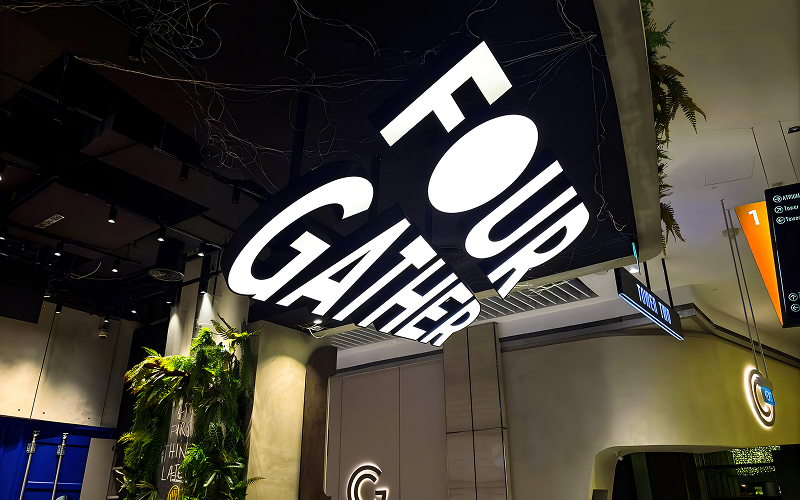
The best signage lighting types help make a business easier to notice, understand, and remember. For retail and F&B spaces, lighting should support the brand’s personality while staying practical for the actual site.
Sui Generis Signage works with businesses to plan signage that balances appearance, materials, illumination, and installation needs. If you are reviewing signage for a new shop, renovation, event, or brand refresh, choosing the right lighting early can help your final sign feel more intentional, reliable, and suited to the space.
For support in choosing signage lighting that fits your business space and brand direction, please contact us.