

Key Takeaways
- A well-planned sign helps businesses make a clear and professional impression before customers enter the space.
- Materials, lighting, placement, and readability all influence how customers judge quality, credibility, and trust.
- Different sign types support different touchpoints, from exterior visibility to interior navigation and customer flow.
- Avoiding poor readability, visual clutter, inconsistent styling, and weak material choices helps protect a business’s physical presence.
Introduction
Signage is often the first point of contact between a business and its audience. In Singapore’s fast-moving commercial landscape, it can influence how a company is perceived before customers enter a store, visit an office, approach a counter or speak to a team member. Beyond visibility, branding with signage translates identity, values and professionalism into a physical form that customers can recognise almost instantly.
For businesses operating in malls, office buildings, industrial spaces, showrooms, F&B outlets and event venues, signage does more than display a name. It helps people understand where they are, what the brand represents and what level of quality to expect. When planned thoughtfully, signage supports recognition, customer confidence and smoother movement through a business space.
What Is Branding Through Signage?
Branding through signage refers to the use of visual elements such as logos, colours, materials, lighting, typography and placement to communicate a brand’s identity within a physical environment. It goes beyond putting a company name on a wall. It shapes how customers perceive credibility, personality and reliability from the outset.
In a B2B context, this matters because decision-makers often notice the details. A clean reception sign, well-lit exterior sign or cohesive office display can make a company feel more established and dependable. Branding with signage becomes part of how a business presents itself to clients, partners, tenants, employees and visitors.
Understanding this foundation sets the stage for how signage influences customer perception in real-world business environments.
Key Aspects of Signage as First Impressions in Singapore
First impressions are shaped by several practical and visual factors working together. A sign needs to be seen, understood and trusted, while also supporting how people experience the physical space.
Visibility & Professionalism
A well-designed sign helps a business stand out while conveying a sense of professionalism. In busy areas such as commercial streets, malls and mixed-use buildings, customers may only have a few seconds to identify a brand. Strong business signage design considers viewing distance, lighting conditions, contrast and letter sizing so the message remains easy to recognise at a glance.
Brand Identity & Messaging
Signage reflects the tone of a brand, whether modern, bold, refined, playful or corporate. Consistent use of colours, fonts, logo placement and finishes communicates a more focused message across customer touchpoints. For example, a sleek acrylic logo may suggest a polished corporate identity, while an illuminated feature sign may create a more energetic and contemporary impression. When a sign matches the brand’s website, social media presence, packaging or office environment, customers experience the business as more consistent and recognisable.
Customer Trust
Customers often associate signage quality with the standard of the business. A faded, poorly placed or cluttered sign can unintentionally create doubt, even if the company offers strong products or services. Well-crafted signage helps build confidence because it shows that the business cares about presentation, details and customer experience.
Spatial Experience
Signage also affects how people move through and feel within a space. Directional signs, room labels, counter signs, wall graphics and entrance displays help guide movement while shaping the atmosphere. In offices, retail spaces and event venues, branding with signage can make the environment feel organised, intentional and aligned with the brand.
With these core aspects in mind, it becomes clearer how different types of signage contribute to branding across various touchpoints.
Common Types of Signage Used for Branding in Singapore
Different signage formats serve different branding purposes. Some are designed to attract attention from outside, while others support recognition, navigation and engagement within the space.
Storefront Signage (Fascia Signs and Channel Letters)
Storefront signage forms the primary visual identity of a business. Fascia signs, channel letters and entrance signs help customers identify the brand from a distance. In Singapore, storefront signage needs to remain readable because signs often compete with neighbouring brands, building features and passing traffic.
Illuminated Signage (Lightbox, LED, Neon)
Illuminated signage improves how easily a business is noticed across different lighting conditions. Lightbox signage, LED systems and neon signage can add brightness, depth and personality to a space. The lighting style should match the brand environment. A corporate office may prefer subtle backlit lettering, while a lifestyle, retail or event-led brand may benefit from a more expressive illuminated feature.
Interior Branding Signage
Interior signage extends the brand experience after a customer enters. Reception logos, feature walls, product displays and branded graphics help create a cohesive environment. In client-facing spaces such as reception walls, consultation areas and showroom displays, brand identity signage can reinforce positioning without making the space feel overly promotional.
Wayfinding & Directional Signage
Directional signage supports navigation while maintaining brand consistency through typography, colours and layout. Directories, arrows, floor indicators and room labels reduce confusion and help people move through a space more confidently. When designed as part of a wider signage system, wayfinding contributes to a smoother customer journey.
Beyond the types of signage used, how they are designed and implemented plays an equally important role in achieving effective branding outcomes.
Key Trends and Best Practices in Singapore
Effective signage depends on more than visual style. For Singapore businesses, material choice, placement and design clarity all affect whether the final sign looks professional, lasts well and communicates the brand clearly.
Material Selection
Material selection plays a key role in both durability and perception. Acrylic, metal, vinyl, LED, and illuminated finishes each create a different look and feel. For example, in Singapore, acrylic signage is often chosen for reception areas, retail displays and office interiors because it creates a clean, polished appearance. Material choice should also reflect where the sign will be installed, as outdoor signs may need to withstand stronger exposure to heat, humidity and rain than indoor reception or display signs.
Location Strategy
Effective signage placement ensures maximum visual impact at important touchpoints such as entrances, walkways, lift lobbies, counters and high-traffic areas. A sign may be well designed, but its impact can be reduced if it is blocked by pillars, placed too high or hidden behind other visual elements. Strategic positioning supports both brand exposure and accessibility, especially at storefront glass panels, lift lobby entrances, reception counters and event booth frontages where customers make quick visual decisions.
Design Considerations
Clean layouts, legible typography and balanced composition help signage remain visually impactful without compromising clarity. Overloading a sign with too many services, taglines or decorative elements can weaken the main message. Good design should also consider fabrication, as very thin lines or complex details may not work well across every material.
At the same time, businesses must ensure that their signage aligns with local requirements to avoid compliance issues.
Signage Guidelines and Regulations in Singapore
Businesses in Singapore may need to consider landlord requirements, building management rules and relevant approval processes before installing signage. Size, placement, mounting method, electrical components and safety requirements can affect what is allowed, especially for exterior or illuminated signs. For exterior or illuminated signs, businesses should check requirements early with the landlord, building management or relevant approving parties before production begins, as this can help reduce delays, redesigns and unnecessary costs.
When planned with these requirements in mind, signage becomes a practical business asset that supports both brand presence and customer experience.
How Effective Signage Impacts Business Performance
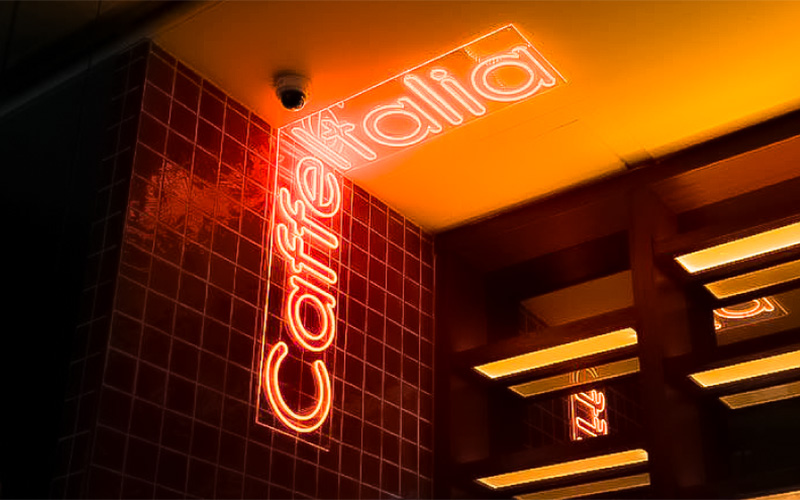
Signage can influence business performance by improving recognition, customer flow and decision-making at key moments. While it should not be treated as a standalone sales solution, it can support the way people notice, enter and remember a brand.
Increased Foot Traffic
High-visibility signage attracts attention and encourages passers-by to engage with the business. This is especially relevant in areas where customers compare options quickly, such as malls, commercial streets, trade events and business districts.
Brand Recall
Consistent and visually distinctive signage strengthens memory. When customers repeatedly see the same logo, colours and materials across different touchpoints, they are more likely to recognise and remember the brand later.
Walk-In Conversions
Clear and appealing signage can influence decision-making by making a business feel accessible and worth exploring. A visible entrance sign, readable service description, opening-hour cue or attractive illuminated display may encourage customers to step inside rather than walk past.
Wayfinding Efficiency (Better Customer Flow)
Effective signage improves navigation within a space. This reduces confusion, supports smoother movement and helps customers find counters, rooms, departments or event zones more easily. For larger premises, this can improve both operational flow and visitor experience.
Reinforcement of Brand Consistency Across Locations
For businesses with multiple outlets, consistent signage helps create a unified identity. Using similar materials, colours, typography and layouts across locations makes the brand easier to recognise and trust, even when each space has a different layout.
However, even well-intended signage can fall short if common design and execution mistakes are overlooked.
Common Signage Mistakes That Weaken First Impressions
Many signage issues are not caused by weak branding ideas, but by poor execution. Readability, placement, material quality and consistency all need to be considered before production and installation.
Poor Readability (Fonts Too Thin or Small)
Text that is difficult to read reduces clarity, especially from a distance or in busy environments. Fonts should be legible, appropriately sized and supported by enough contrast.
Overdesign or Visual Clutter
Too many colours, effects, icons or messages can overwhelm viewers. Signage should prioritise the main message first, then use supporting design elements to strengthen recognition.
Inconsistent Branding Across Signage
Mismatched colours, fonts, lighting styles or logo treatments can create confusion. Branding with signage should remain consistent across exterior signs, interior signs, wayfinding and display elements.
Low-Quality Materials Fading in Singapore’s Climate
Singapore’s heat, humidity and rain can affect signage materials over time. Poor material choices may fade, warp or deteriorate faster, affecting both appearance and durability.
Poor Placement and Blocked Sightlines
Signage that is blocked, poorly angled or placed outside the natural line of sight may fail to attract attention. Placement should follow how customers approach, enter and move through the space.
Conclusion: Strengthening First Impressions Through Thoughtful Signage
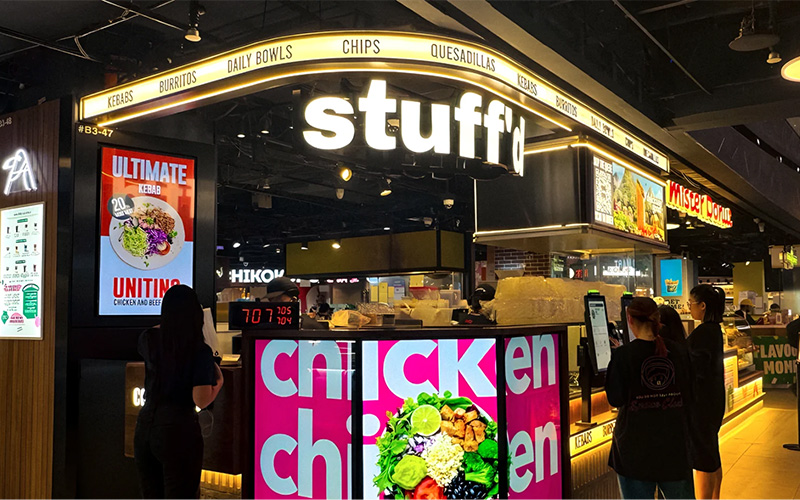
Branding with signage plays a vital role in shaping how businesses are perceived from the very first interaction. By combining clear design, strategic placement, suitable materials and compliance awareness, signage becomes a practical tool for communication, navigation and brand expression.
For businesses looking to refine their physical presence, Sui Generis Signage provides locally made custom signage tailored to different spaces, brand styles and operational needs. Share your signage requirements with our team to receive guidance on suitable materials, lighting options and sign formats, so we can help create a customised sign that supports a stronger first impression.